Sara & Nik’s Podcast:
Sara and Nik
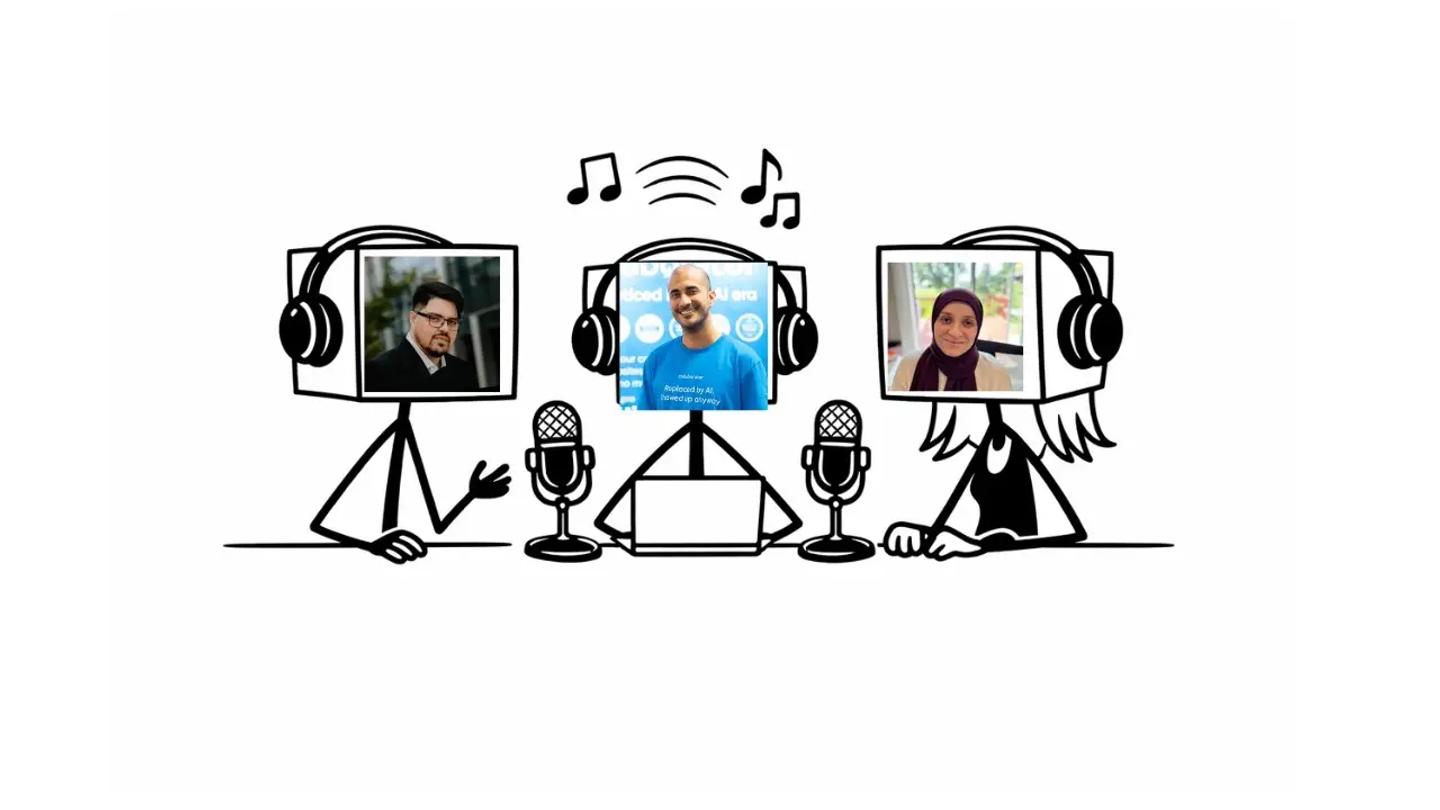
Sara and Nik meet up for their first episode of their Sara & Nik podcast to discuss AI search and whether GEO is just SEO.
Hosted by Sara Taher & Nik Vujic
Published
3 min read

Key takeaways
-
Nik Vujic
“I would be very vocal that you’re a fraud” if you’re selling GEO and SEO services separately.
-
Sara Taher
Despite being a core part of modern GEO, Reddit is underused in SEO campaigns.
-
Sara Taher
The industry as a whole sees GEO in a bad light.
-
Nik Vujic
Good SEO will help a website rank for AI, despite no GEO-specific adjustments.
-
Nik Vujic
While Google is still in charge of most of the traffic, LLMs are catching up.

About this conversation
The very first episode of what would soon become Sara & Nik SEO Podcast brings together Sara Taher, a decade-strong SEO expert with vast experience in LinkedIn posts, and Nik Vujic, CEO of Get Stuff Digital with a similar experience and background.
The discussion revolves around several topics, including GEO vs. SEO, AI search optimization, and whether real-time strategy beats standard checklists.
Is GEO Just Standard SEO?
Nik is split on the issue, but is clear about one thing: GEO is not the same as SEO. While GEO utilizes 80% of what standard SEO has to offer, the rest of 20% make all the difference. In his view, GEO uses additional techniques that traditional SEO doesn’t cover.
But both work in conjunction as a cohesive system, which is why he doesn’t believe it’s possible to sell GEO services separate from SEO.
"I would be very vocal that you're a fraud if you're doing that."
Sara agrees with Nik’s view and invokes Reddit as a good example, because few SEO strategists use it in their SEO campaigns today. Reddit, despite not fitting within the standard SEO bucket in terms of aspects like content, authority, technical markers, and overall user experience, it’s still a core part of modern GEO.
The same goes for unlinked mentions, which matter a lot more today compared to the past due to how LLMs are trained to learn about brands.
On Closed Minds and Bad Actors
Sara discusses the topic of general distrust among SEOs with regards to the GEO sphere.
"I think my concern in general in the industry is the negative labeling."
She says she’d like to see more open-mindedness in the field, without people having to call each other names like “narrow-minded” or “scammers”.
Nik shares her views and further adds that he currently treats GEO as an add-on for brands with an already strong SEO game. His opinion is informed by his own findings, after an internal analysis showed him that sites with a solid SEO profile will get cited by LLM, despite little-to-no GEO adjustments.
The latter will only build upon the already cemented SEO foundation, which is where digital PR, Reddit brand management, and organic social media marketing make the most impact.
That being said, Nik is still cautious about several things. Google’s own statements are one of them, after Google heavily promoted its Core Web Vitals as a major ranking factor, before ultimately downplaying its impact.
LLMs are another, as Nik cautions that they’re essentially built to agree with the user. This means that their answers are sometimes unreliable and need double-checking.
As of now, Google is still in charge of the majority of the traffic, but things are slowly shifting towards the LLM ecosystem, which is a particular area of interest for larger publishers.
Does Strategy Beat Checklists?
Right from the get-go, Sara and Nik agree that the biggest problem with LLM is the lack of data. At the moment, there’s no way to estimate how much traffic a website is getting from LLMs, unlike SEO tools can for Google. More importantly, Nik doesn’t believe that this will change anytime soon.
This simple fact informed Nik’s current SEO strategy: lay out the data and let the client decide. In most cases, clients prefer to stick to their established strategy and keep GEO on the sidelines and they’ve continued to grow despite that. This shows that, at its core, SEO does most of the work.
Sara believes there is a way to decide on the right strategy by simply asking: “What is the potential conversion value?” and then check demand on Google to gauge people’s interest. High conversion numbers can justify the extra effort with GEO even despite low traffic.
To add a final note, Nik advises beginners to run their own tests and prioritize revenue above all else because “at the end of the day SEO is there to make money”. The way he sees it, strong SEO is enough on its own for now, because, when done right, it increases AI visibility on its own; no additional GEO touchpoints needed.