Sara & Nik’s Podcast:
Favour Obasi-ike
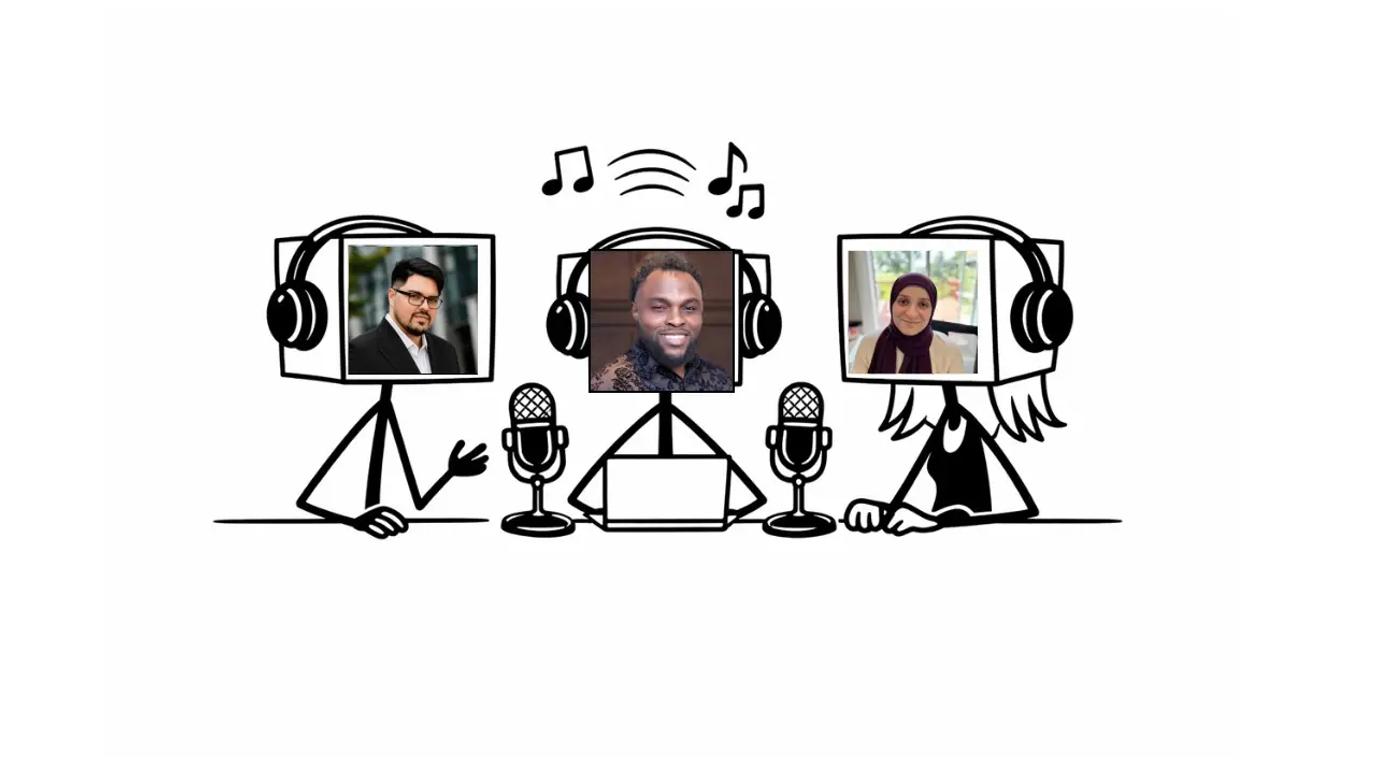
SEO professional, Favour Obasi-ike, comes to Sara & Nik Podcast to talk about SEO and why Pinterest marketing is different.
Hosted by Sara Taher & Nik Vujic
Published
3 min read
Key takeaways
-
Favour Obasi-ike
Pinterest in a “visual search engine”, not a social network
-
Favour Obasi-ike
In marketing, targeted effort outweighs aimless volume.
-
Favour Obasi-ike
A Pinterest marketing campaign will deliver visible results within 4 months.
-
Favour Obasi-ike
Good Pinterest marketing campaigns can even increase AI visibility.
-
Favour Obasi-ike
A good podcast creator should also seek to become a good marketer.

About this conversation
Favour Obasi-ike joins the Sara & Nik Podcast to discuss his unique vision on SEO and social media marketing.
Favour hosts his own podcast, We Don’t Play, which operates within the same ecosystem: SEO, semantic searches, Pinterest, and podcasting as business growth avenues. His thesis brings about a unique point of view regarding social media marketing: most marketers misunderstand what Pinterest is and how it works.
From Music Enthusiast to Pinterest Marketing Strategist
Favour’s career path started with his passion for drumming, which eventually turned into music production, podcasting, and, eventually, business-oriented growth marketing. His degrees and specializations in areas like communications, media, entertainment, and business administration have been, and still are, his main tools along the way.
Before anything, Favour values knowledge and efficiency because he always “values people’s time”. If he knows of a way to help people save hours of research, not sharing it feels wrong to him. This is what led him to set the foundation of We Don’t Play, his podcast now featuring over 620 episodes, with listeners in about 160 countries.
When it comes to marketing, Favour explains a simple, but impactful concept: targeted effort outweighs aimless volume. In other words, when it comes to marketing, it’s better to have a clear-cut strategy than to flood social media with sheer content volume and see what sticks.
This is what brought him to Pinterest.
“Pinterest is a Visual Search Engine” Not a Social Network
Analyzing how Pinterest works led Favour to conclude that the platform behaves more like a search engine than an actual social platform. That’s because, in many cases, Google searches would showcase Pinterest results, which, for all intents and purposes, acted as visual queries.
This essentially turned Pinterest into an extension of Google’s search system, which can work wonders from a marketing perspective. Especially since pins stay visible far longer than Instagram posts, for instance. More importantly, connecting your blog’s RSS feed to Pinterest allows the platform to pull images from the post and convert them into pins automatically, essentially automating the process.
This immediately raised Nik’s interest, who admitted he’s overlooked Pinterest so far, but wanted to know which businesses it suits and how to measure the results. As Favour explains, Pinterest is a great marketing hub for any company. The difference lies in the type of content you will be producing.
Tech and SaaS companies, for instance, do great with educational content, explaining concepts from the grounds-up. This helps with quick visibility and even AI citations. More importantly, ads aren’t necessary on Pinterest to achieve maximum visibility. Based on his experience, regular blog content and consistent organic pinning are sufficient for visible results within 4 months.
Distribution as the Foundation of Effective Marketing
As Favour sees it, more effective distribution is the core of good marketing. The topic came out when Sara asked him for advice on how to make their podcast more popular and reach more people.
Favour explains that most creators only upload their podcasts to Youtube and call it a day. By doing so, they effectively limit their reach by ignoring multiple other hubs that could greatly boost their visibility. Favour suggests hosting as a solution, pushing podcasts to multiple platforms, including Spotify and iTunes.
In addition to that, Favour also treats podcasts as a visual or audible form of content. This includes keyword planning, which helps episodes rank higher in search results and for voice assistants.
The entire process consists of a simple loop:
Build a solid website → Start a podcast on Spotify for Creators → Submit the RSS feed to Apple, Amazon, etc. → Link to your podcast episodes in the FAQ section.
In other words, being a good podcast creator is just the start. The next step is becoming a good marketer:
"You're not just creating podcast episodes you're now creating podcast extensions"
Following his own advice, Favour now plans to create a paid private podcast with exclusive replays, free workshops, and Ask Me Anything (AMA) episodes for his community.