Sara & Nik’s Podcast:
Fery Kaszoni
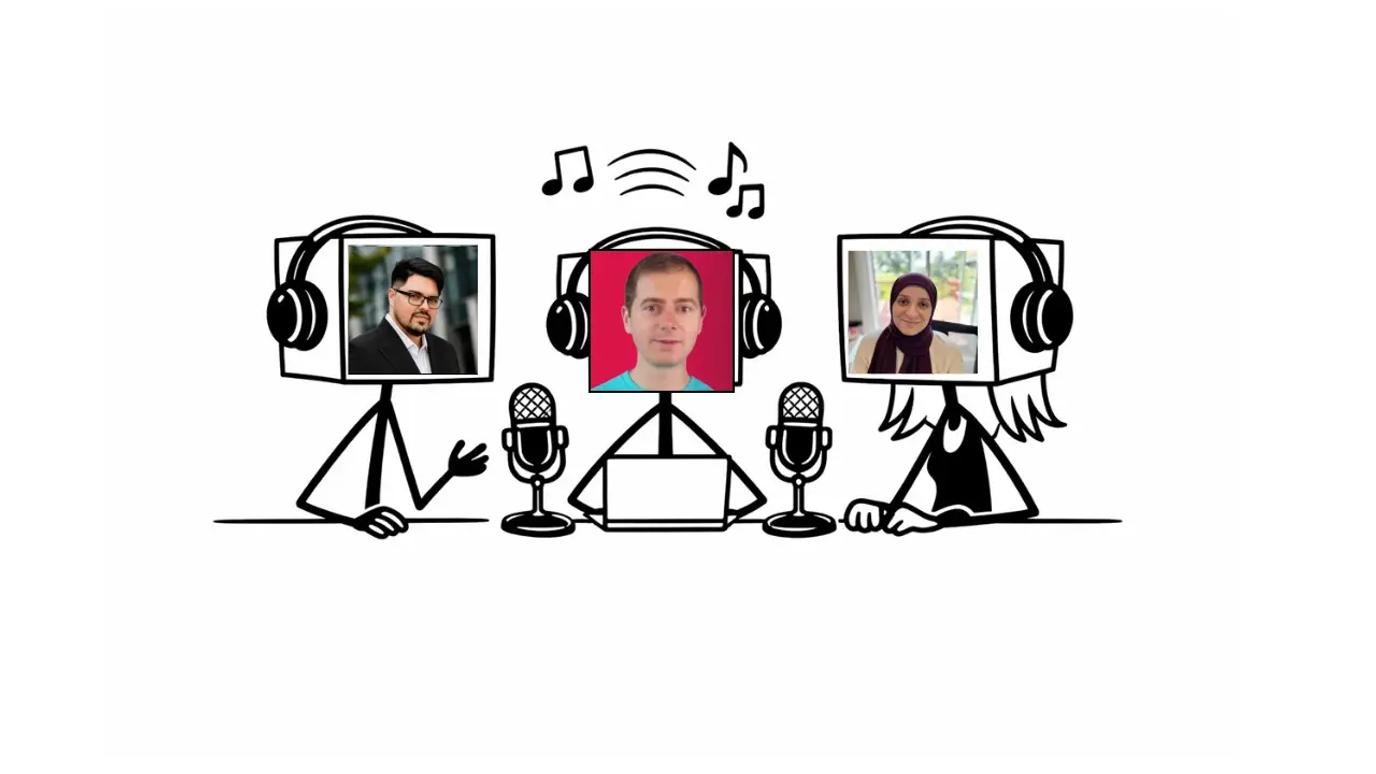
Fery Kaszoni comes to Sara & Nik Podcast to challenge the idea that SEO is dead and link building is useless in the age of AI.
Hosted by Sara Taher & Nik Vujic
Published
4 min read
Key takeaways
-
Fery Kaszoni
Good digital PR consists of 3 elements: organic rankings, consistency, and data-led campaigns.
-
Fery Kaszoni
There’s nothing better than social media for brand building.
-
Sara Taher
Despite AI’s impressive automation power, the human input still matters a lot.
-
Fery Kaszoni
We should use AI to help us get better.
-
Fery Kaszoni
AI will outperform humans at large-scale data analysis within the next 2 years.

About this conversation
With AI answering so many questions, so fast, link building is dead in 2026.
This is the misconception that Fery Kaszoni, a SEO pro, hopes to debunk in today’s episode of Sara & Nik Podcast, where they discuss everything from digital PR to SEO in the AI era. As the founder of Search Intelligence Limited and specializing in digital PR, Fery has all the credentials necessary to tackle these topics head on.
Above all, his goal is to push against the idea that SEO is dying and his own expertise speaks volumes in that sense.
From Tech Lover to PR Pro
Boredom and an unconditional love for technology were Fery’s main drives during his childhood, which led him building music amplifiers in late 1990s. Fast-forward to 2007, when he discovers Blogspot and starts tweaking its XML code, which eventually pulls him into SEO and coding. Seven years later, in 2014, Search Intelligence Limited was born.
Then followed several years of link building, during which he discovered agencies like Rise and Seven, which were specializing in digital PR. It didn’t take long for Fery to realize the potential of digital PR, especially in a fast-moving marketing ecosystem. By the end of 2020, his company was also offering digital PR services.
The first problem he ran into was the poor scaling. As he notes, scaling was challenging due to the sheer number of campaigns and people he needed to manage. So, he turned to software tools to assist with the process. Thanks to this, his company is able to invest hundreds of thousands of dollars per year in its own software platform, which allows for greater outreach and a smoother workflow.
This made Fery realize that leaders must be able to adapt and build:
"Every future hire will have to be a system builder".
This is even truer today, with AI making system-building a lot easier, faster, and more accessible. His example of a colleague using Claude to code a prototype of a new interface, which the devs then built into the platform, is quite telling in this sense.
How Digital PR Helps with AI Ranking
How does link building work for AI visibility?
Fery addresses Nik’s question by detailing the three steps he sees as quintessential for good Digital PR:
First come organic rankings. The higher you rank, the faster you get picked up by AI assistants through Google and Bing searches. Ranking organically is key here because “old school organic search is never going away.” This implicitly means that link building is never going away, which makes digital PR essential for effective marketing.
The second step is consistency. When you have hundreds of news articles describing a brand in the same manner, this is consistency; this is what AI assistants like.
The third point is data-led campaigns. Authority citations, industry-backed data, trusted sources – all these increase the article’s trust factor, which increases the chances of the content being picked up by AI. Fery offers the example of a client running a study on lake cleanliness, which AI tools keep citing even today, massively contributing to the client’s brand visibility.
The trend is clear: everything revolves around AI citations and companies that have ignored SEO for years are now coming around fast; they all want to appear in AI answers. This explains why almost all prospect calls Fery has had over the past several months have been almost exclusively about AI visibility.
As to whether digital PR should expand to other platforms, Fery is adamant: “there’s nothing better than social media” for brand building. He uses Ahref’s success on Youtube and LinkedIn as an example.
“SEO is Dead” and AI Tools for Digital PR
Nik asks Fery about his newest AI visibility tool, which his team uses to scrape websites, identify the brands and niches, and generate a few hundred prompts to track. This prompts Fery to mention that the manual setup is what people hate the most:
"Setting up the prompts is like I just don't want to do it."
Although it’s not yet profitable, the tool’s functionality is undisputable. It can track mentions, rankings, and customer sentiment, it collects thousands of cited pages, suggests optimal link opportunities, and even produces detailed content briefs with the respective internal linking suggestions. However, despite the impressive automation power, the human input still matters a lot, as Sara notices.
Fery gives a personal example to support that exact point: a client who’s spent over an hour refining an AI-assisted article with formatting and photo insertions.
“More than ever I think we should use AI to help us to be better.” he says, while explaining that the higher demand for faster and cheaper delivery raises the need for more people to run and supervise the tools.
That’s when Nik’s frustration with AI SEO tools built by professionals who don’t understand their customers prompts Fery to address the “SEO is Dead” talking point. The way he sees it, it’s been pushed by venture-funded marketing entities interested exclusively in selling AI optimization tools. Which is a “a subtle attack on the SEO industry and on the SEO individual”.
When it comes to the future, Fery admits that he’s a bit scared by the speed at which AI evolves, but that he’s also “excited by it”. His expectation is that AI will outperform humans at large-scale data analysis within the next two years, which will open the door for a new specialization:
Strategists who will lead the strategy with AI.