Sara & Nik’s Podcast:
Jana Radojcic
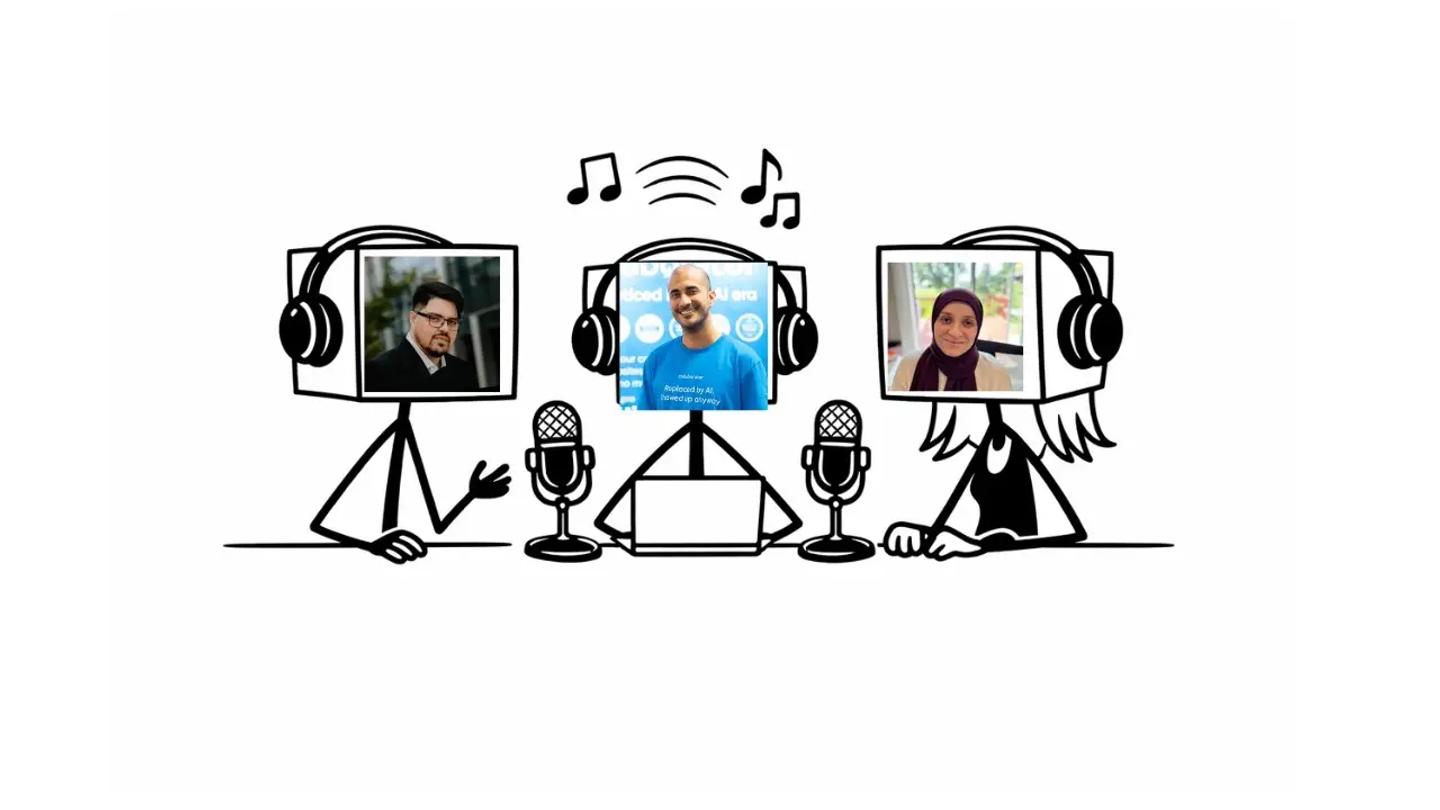
Sara, Nik, and Jana Radojcic meet up in today’s podcast episode to discuss SEO and why authority building, not link building, is what matters.
Hosted by Sara Taher & Nik Vujic
Published
4 min read

Key takeaways
-
Jana Radojcic
Links are extensions of on-page work, rather than substitutes for it.
-
Jana Radojcic
If the content is bad, even high-authority links can sabotage your website.
-
Nik Vujic
Paid listicle placements are the most manipulative tactic used to infiltrate LLMs.
-
Jana Radojcic
The question isn’t how many links, but how many good links I can provide the client.
-
Jana Radojcic
Bottom-of-funnel articles, covering the client’s products, are great for publishers who don’t accept direct product links.

About this conversation
Jana Radojcic, link building director at Get Stuff Digital, joins the Sara & Nik Podcast to dispel a long-held misconception about link building: that it’s bad for SEO due to spammy guest posts, link farms, and paid placements that essentially nobody cares about.
The discussion revolves around familiar topics: where link building starts, how the process changed with the emergence of ChatGPT, and how to plan and execute campaigns that achieve their goals.
Authority Linking is Only as Good as the Content Is
Jana sees links as extensions of on-page work, rather than a substitute for it. This means that if the content isn’t good enough, authority links won’t achieve their intended purpose.
"If you don't have anything good to offer, it's really not worth linking to.", she explains as she mentions that even high-authority links can sabotage your website. That’s because, if the content it leads back to is subpar AI-generated slop, the authority links will only make the brand look bad.
It all begins with the quality of the content, Jana explains. Original material, backed by independent research and relevant studies that offer the readers value and gives third-party professionals, like journalists and publishers, reasons to cite the article.
That being said, the quality of the content can only carry the website for so long. It’s good enough for small and very narrow niches, but, in a high-competition market, is no longer enough. That’s when link building becomes necessary for building authority and visibility, so long as it’s backed by realism and an understanding of how resource-dependent the process is.
In other words, a business with an SEO budget of $5,000 can’t compete with one packing three times that. For this reason, Jana much prefers to refuse clients, than having Get Stuff Digital take on the contract and fill their quota with link farms.
SEO Linking in the Age of AI
Jana explains that link building used to be simple, as “you were focusing mainly on rankings”. The three pillars were: keyword positions, traffic, and domain rating. It’s all you needed to gain authority and visibility.
This context has changed dramatically with the arrival of AI, because now clients want to know how you can help them to show up in AI’s recommendations or citations. This led to the Reddit-spamming trend, where businesses would use Reddit as their primary promotional hub.
Naturally, the strategy backfired, because Reddit marketing only works if your audience is on Reddit. Nick backs this talking point, exposing paid listicle placements as one of the most manipulative marketing tactics used to infiltrate LLMs.
A multi-layered marketing campaign, targeting multiple hotspots like specialty forums, social media platforms, and third-party authority sites, is far more effective. This strategy works best because that’s how LLMs operate: they analyze the context surrounding the brand, rather than just the linking itself.
“If source A, source B, source zed is saying these guys are the best roofing contractors in Delaware, then that's usually what will come up.”, Jana explains.
How to Set Up the Ideal SEO Campaign
Jana’s ideal SEO campaign begins with the question of:
“Not just how many links I can provide for the client, but how many good links I can provide for the client.”
She explains that a new website may need 5-6 links a month to remain natural and build its foundation. A competitive brand, however, may need 25-30 per month to hold its position and preserve its market competitiveness. But, beyond the ideal number of links themselves, the link quality is what actually matters.
Nik’s example reinforced this point: a client with a DR of 71 was barely ranking because all of the links were footer links on its own clients’ websites. Jana’s audit and link-building strategy helped the client grow over 400% in 6 months after fixing the problems. This got the client cited by LLMs and opened the organic revenue faucet that the client’s previous approach couldn’t reach.
The problem, as Jana noticed, is the difficulty of explaining the importance of quality links to founders.
"They want to know where their money is going. And that's the whole truth."
So, she explains the importance of bottom-of-funnel articles, for instance, that cover the client’s products, because many publishers don’t accept direct product page links. Then she uses the client’s KPIs to identify the weak points and benchmarks their competitors to highlight the campaigns direction and goals.
In closing, Jana explains that a strong SEO campaign can generate a large number of quality links, so long as it reflects the brand accurately and consistently and it includes original research and valuable ideas and content.