Sara & Nik’s Podcast:
Nick Malekos
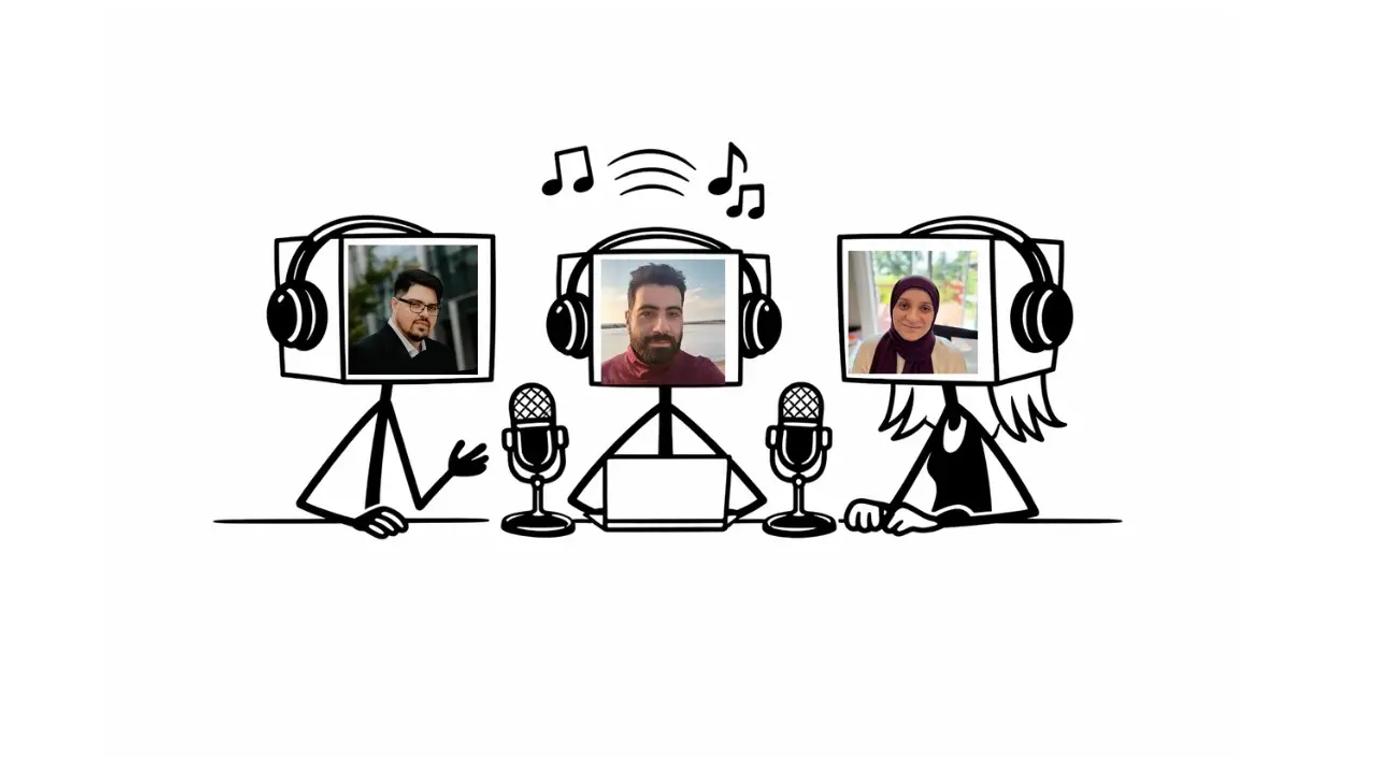
Sara & Nik welcome Nick Malekos in today’s episode to discuss marketing, SEO, and AI as a tool to help with both.
Hosted by Sara Taher & Nik Vujic
Published
3 min read
Key takeaways
-
Nick Malekos
Today’s marketing is still rooted in attribution, which is no longer a reliable metric.
-
Nick Malekos
Newsletter marketing is better than SEO in the B2B ecosystem.
-
Nick Malekos
AI is more like Zapier on steroids, only good for minor tasks.
-
Sara Taher
Human marketers are as vital in 2026 as ever.
-
Nick Malekos
SEO departments today are disjointed, with many competing priorities.

About this conversation
SEO expert, Nick Malekos, joins Sara & Nik SEO Podcast to talk about SEO, AI, and how both are tools that professionals use to build the foundation businesses need to succeed: marketing.
Nick believes that marketing is still rooted in obsolete mentalities and that old heads still do it the wrong way. As Nick sees it, too much energy is spent on attribution, which, especially today, is no longer a reliable metric.
Especially with AI coming into the scene.
The Growth Marketed Who Likes to “Run Experiments”
Nick believes that uni-dimensional experts will eventually get left behind. Fortunately, he’s not one of them. He describes himself as one who likes to do experiments, post on LinkedIn and track the engagement, write newsletters, make his own designs, and test various AI tools.
With a background in educational marketing, this tendency of his to “get bored easily” served him well in his career, especially after joining LearnWorlds, where SEO only made up 30-50% of his workload. The rest of his responsibilities included handling PPC, affiliates, emails, and inbound sales, among other things.
This type of work routine taught Nick the value of adaptability, which gave him the skills and knowledge he needed to help LearnWorlds increase its traffic and lead conversion. He achieved that through comparison searches, which he calls one of his “smartest SEO moves”. In short, he helped LearnWorlds capture all the traffic that was going to affiliates and, ultimately, to its competitors, simply by employing good SEO tactics.
Good In-House Management = Good Marketing Work
Nick stresses the importance of having a good, cohesive team behind any project that demands precision and results. However, this is easier said than done. As Nick explains, every SEO department has teams with competing priorities.
This forced him to adapt his approach depending on the department he’s addressing. CFOs only want revenue numbers, while developers demand clear-cut and structured instructions, for instance. In many cases, interests diverge, which made Nick realize that the SEO department is often a political ecosystem where “you have to pick your fights carefully”.
Or, as Nick puts it:
“You need to be flexible and you need to be a cheerful person and nice to work with”.
Why Email Campaigns Sometimes Outperform SEO
Nik Vujic’s question of whether SEO is the most difficult channel to win support for opens the next topic of discussion: email marketing vs. SEO.
In Nick’s view, SEO is overrated in the B2B tech environment. For this reason, he recommends clients to start with newsletter marketing instead. This made him realize that many of the companies he consulted never even considered emailing their leads.
Which is a pity, he says, because a good newsletter can achieve multiple things at once, including building an audience, nurturing existent leads, and reaching out to cold clients. To achieve that, the newsletter needs to mix in industry news, valuable and relevant content, product updates, and a soft Call-To-Action (CTA) designed to increase lead conversion.
Then comes SEO, which is best-fit for B2C and small B2B ecosystems, where there’s already consistent search volume; not so much for sales-led enterprise deals.
This is where the notion of attribution came up, with Nick claiming that the system is both overrated and obsolete:
"I feel attribution is dying", he said, explaining how things like privacy laws, the cookie blocking system, and enterprise buyers with 50-150 touch points make it increasingly difficult to figure out which channel gets the credit for a sale.
For this reason, he prefers to focus on marketing instead, rather than defend every decision with numbers that may be unreliable anyway. This is why he always chooses in-house work and marketing strategy development:
"I like to be involved in a product rather than be the consultant or the agent."
This type of old-school mentality is bound to come with a hefty dose of AI skepticism, which Nick confirms himself during the interview, after describing himself as “a little bit of an AI skeptic”. To him, AI is something like “Zapier on steroids” and only uses it for minor tasks, like creating a Chrome extension designed to save LinkedIn posts.
Sara subscribes to Nick’s view and explains that, despite AI’s increased productivity, human marketers remain as vital as ever in 2026.